What this document is
A single-page action instrument: the one thing to authorise, and why a 2031 decision is one that starts now.
- Carbotura’s first plant is under construction in Pennsylvania — same state, same regulator, and regulatory groundwork already running here rather than starting from scratch.
- Carbotura pays the City a Circular Royalty™ beginning at $120/ton against a $100/ton Beneficiation Fee, escalating one percentage point a year, uncapped, for a 30-year minimum term.
- One action: authorise an LOI/MOU and open a Joint Working Group, so the option is specified before the next disposal decision rather than after it.
What diversion cannot reach still has to go somewhere
Philadelphia disposes roughly 1.5 million tons of residential and commercial material a year. The City itself collects about 600,000 tons of waste and 85,000 tons of recyclables. Diversion has plateaued around 40% against a 90% target for 2035, measured from a 2015 baseline. The City’s stated goal is to end the use of landfills and conventional incinerators by that date.
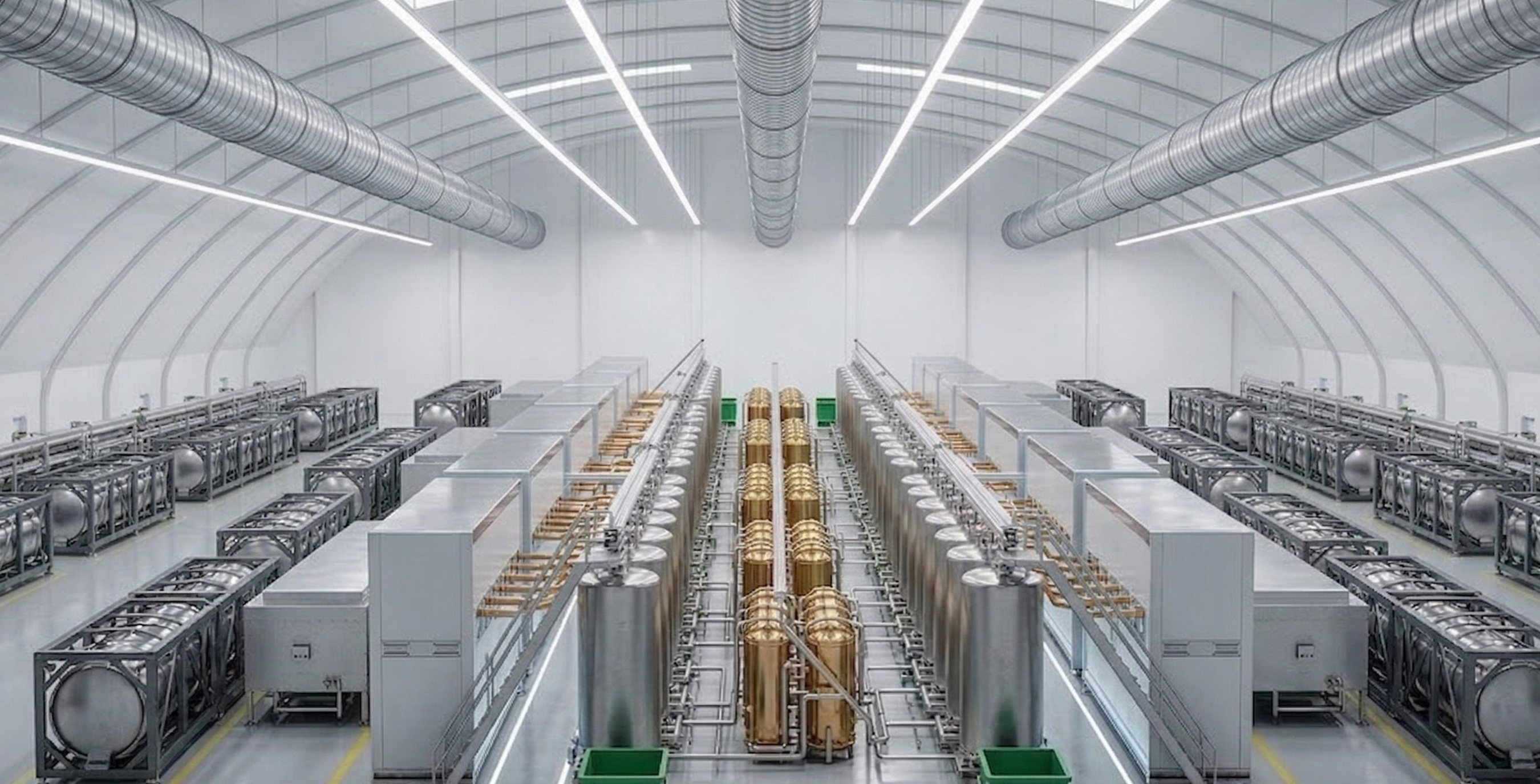
Carbotura was built for the part of the stream that diversion cannot finish. Advanced Circular Manufacturing (ACM) takes delivered residual and converts it into specification-grade manufactured products — graphite, graphene compounds, recovered metals and minerals, industrial gases and net-positive ultrapure water. It is a manufacturing operation, not incineration, not waste-to-energy, not pyrolysis and not gasification. No oxygen enters the process, so nothing burns; there is no stack, no air pollution control train and no ash.
On cost we are going to be direct, because the City is pursuing savings and would find this out anyway. Under the new awards Philadelphia expects to pay around $72 a ton for trash. Our Beneficiation Fee is $100 a ton — the floor of our range, set for Philadelphia. That is still $28 a ton more, and we are not going to construct an argument that it is not. There is no per-ton disposal saving in this proposal.
What the City receives is separate and larger. Beginning 13 months after Carbotura’s receipt of the first Beneficiation Fee payment, Carbotura pays the City a Circular Royalty™ starting at $120 a ton and rising one percentage point every year, uncapped, for a 30-year minimum term. The fee and the royalty are two independent transactions, reported separately and in full, and never netted against each other. Alongside that: no City capital at any phase, no City permitting burden, and a destination that is neither a landfill nor a combustion facility. And the agreement is the City’s to extend: other municipalities and commercial haulers may join it as additional Feedstock Providers, on the City’s consent, with the City holding priority on availability and capacity.
Why Philadelphia, and why now
Carbotura’s first-of-a-kind plant is under construction in Pennsylvania, under a 30-year Circular Supply Agreement executed in 2025. Same state, same regulator, and the regulatory groundwork for Pennsylvania is already running rather than starting from zero.
Ending landfilling and ending conventional incineration are both in the City’s 2035 goal. Most alternatives address one at the cost of the other. A manufacturing destination is neither — and it gets there without the 10% combustion the City’s own plan still contemplates for the residual.
40% against a 90% target, flat for years. The gap is not a collection problem; it is material that has no economically viable secondary market. That is precisely the material ACM is built to take.
Recycling quality is a documented problem here. ACM takes material as received, with no pre-sort requirement and no clean-stream specification at the gate.
The new awards run to 2031, with an option to 2034. A manufacturing facility needs a working phase, a term sheet, a site, a permit and 12 to 24 months from permit issuance. Starting the conversation now is what makes it available then.
The structure, stated once
The Beneficiation Fee and the Circular Royalty™ are independent gross transactions with different payers. They are reported separately and never netted against one another.
The same physical mass is counted once in each of three dimensions — asset, revenue, attributes — and never summed as three independent masses.
Build-Own-Operate. Carbotura funds 100% of capital at every phase. The counterparty commits feedstock, not money.
One Circular Supply Agreement
+ Circular Royalty™
- Beneficiation Fee: $100/ton · set at Term Sheet against the verified FWDC · 2.5%/yr escalator
- Circular Royalty™: 120% of the current-year Beneficiation Fee in Year 1 ($120/ton, Year 1), +1pp/yr, uncapped
- Royalty commencement: 13 months after the first Beneficiation Fee payment, rolling monthly on delivered tonnage
- Perpetual CSA, 30-year minimum term · Build-Own-Operate · zero counterparty capital
- Feedstock transfers under the CSA — ownership and liability pass at collection or delivery
- Accounting basis: US GAAP / GASB
Carbotura is a development-stage company. No Carbotura facility is at or past Commercial Operation Date anywhere in the world. The first-of-a-kind plant is in Pennsylvania, under a Circular Supply Agreement executed in 2025; it is under construction now, with commercial operation targeted for late 2027 to early 2028.
We have not asked any counterparty to take that on trust. The CSA carries a condition precedent: an operating facility meeting our stated claims and standards. Until that condition is satisfied, the counterparty is not held to performance. The first Feedstock Provider executed on that basis, and the clause is available for City counsel to read.
For Philadelphia the relevant detail is that the first plant will be operating, in this state, before any decision here has to be made.
Key figures at a glance
Circular Royalty™ projections by phase
Beneficiation Fee and Circular Royalty™ shown independently per the Separate Transaction Principle. No figure on this page nets one against the other.
| Capacity | Annual TPY | Beneficiation Fee · Year 1 | Circular Royalty™ · Year 1 basis | 30-Year Gross Royalty | Direct FTE |
|---|---|---|---|---|---|
| 1,000 TPD ← entry point Phase Phase Initial | 365,000 | $36.50M | $43.80M | ~$2,185M ESTIMATED | ~250 |
| 2,000 TPD Phase Phase Medium | 730,000 | $73.00M | $87.60M | ~$4,369M ESTIMATED | ~500 |
| 4,000 TPD Phase Phase Expanded | 1,460,000 | $146.00M | $175.20M | ~$8,739M ESTIMATED | ~1,000 |
Beneficiation Fee set at $100/ton; Circular Royalty™ at 120% of the current-year fee in Year 1, +1 percentage point per year uncapped. The two are independent gross transactions and are never netted. Comparator is the $72/ton trash rate proposed under the City’s new awards, which require Council approval and are not executed. Phase Initial is sized against the city-collected stream; Phase Medium and Expanded reach into the citywide total by joinder to the City’s CSA, on the City’s consent and behind the City’s priority on capacity. Figures ILLUSTRATIVE until Term Sheet execution.